In an era where sustainability is no longer a luxury but a necessity, homeowners and businesses in Mississauga are increasingly looking for ways to reduce their ecological footprint. While many focus on solar panels or electric vehicles, one of the most impactful changes can be found right behind your walls and under your sinks. Water-efficient plumbing is a cornerstone of modern urban sustainability, offering a practical path toward long-term environmental stewardship.
As Mississauga continues to grow, the pressure on our local infrastructure and natural water sources intensifies. By adopting environmental plumbing practices, residents can play a pivotal role in ensuring that the Region of Peel remains a vibrant, resource-rich community for generations to come.
Understanding Water-Efficient Plumbing
Water-efficient plumbing refers to a specialized category of fixtures and appliances designed to use the minimum amount of water required to perform a task effectively. Unlike older, “standard” fixtures that rely on high volume and high pressure, modern low-flow fixtures use advanced engineering to maintain performance while significantly reducing waste.
In Mississauga, where we draw our water primarily from Lake Ontario, the process of treating, pumping, and heating water is energy-intensive. Water-efficient plumbing isn’t just about “using less”; it’s about “using smart.” It involves the integration of technology such as pressure-compensating valves and high-velocity spray patterns, which ensures that the end-user experience (like a satisfying shower or a clean flush) remains high even as the gallon-per-minute (GPM) count drops.
How Water-Efficient Fixtures Save Water
The transition to a water-conscious home is often achieved through the installation of specific hardware. These devices target the highest areas of water consumption in a typical household.
Low-Flow Toilets
The toilet is often the largest consumer of indoor water. Older models can use up to 13 litres (or more) per flush. In contrast, modern high-efficiency toilets (HETs) are designed to use 4.8 litres or less. Some even feature dual-flush technology, allowing users to choose a lower volume for liquid waste, further optimizing water conservation efforts.
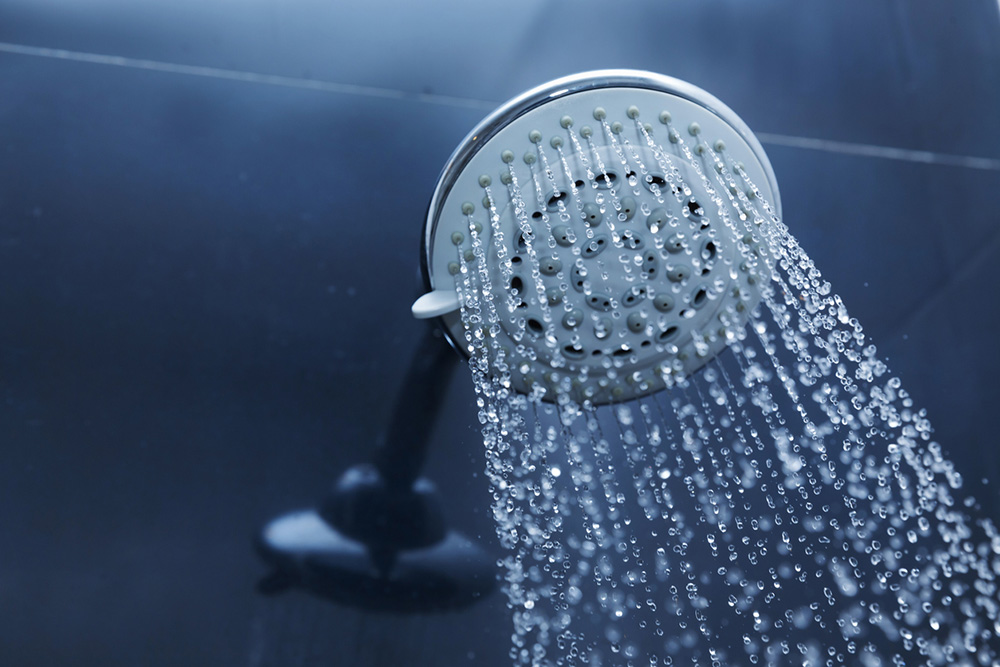
Low-Flow Showerheads
Showerheads were traditionally notorious for high flow rates, sometimes exceeding 15 litres per minute. Modern low-flow showerheads use flow restrictors and aerators to provide a pressurized feel while using less than 7.5 litres per minute. This simple switch can save thousands of litres of water annually for an average Mississauga family.
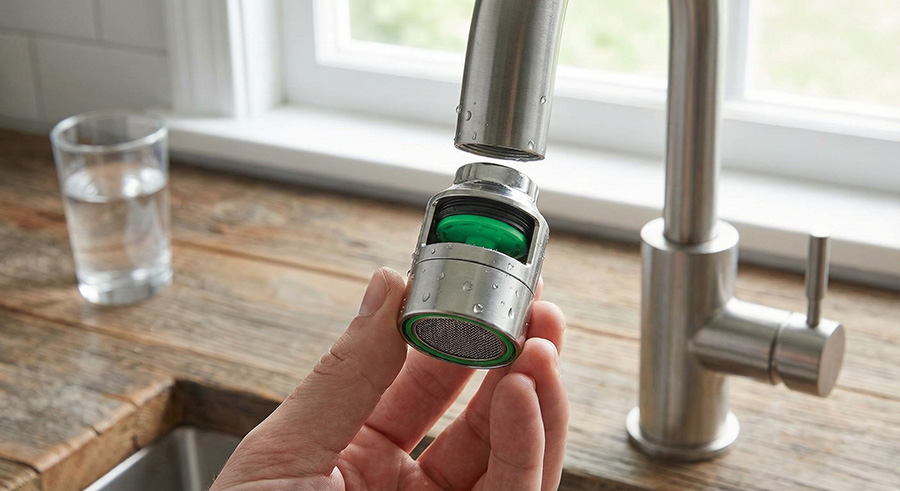
Faucet Aerators
Perhaps the most cost-effective tool in the environmental plumbing kit is the faucet aerator. These small, mesh screens screw onto the tip of your taps. By mixing air into the water stream, they maintain high pressure while reducing the total volume of water flowing out. It’s an invisible change that makes a visible difference on your utility bill and the environment.
Environmental Benefits of Water Conservation
The impact of switching to low-flow fixtures extends far beyond the four walls of your home. It creates a ripple effect that benefits the entire ecosystem of Southern Ontario.
Reduced Water Consumption
Mississauga’s population is booming. As more people move into the city, the total demand for fresh water rises. By reducing per-capita consumption, we take the pressure off our municipal treatment plants. This allows existing infrastructure to serve more people without requiring massive, environmentally disruptive expansions.
Lower Energy Use
There is a direct link between water and energy. A significant portion of a home’s energy bill goes toward heating water for showers, laundry, and dishes. Furthermore, the City of Mississauga and the Region of Peel use a tremendous amount of electricity to pump water from Lake Ontario to your home and then treat the wastewater. Less water used means less energy burned, which directly reduces greenhouse gas emissions.
Protecting Water Resources
While Lake Ontario seems vast, it is a delicate ecosystem. Excessive water extraction and the subsequent return of treated wastewater can alter local water chemistry and temperatures. By practicing water conservation, we help maintain the natural balance of our Great Lakes, protecting fish habitats and the quality of the water we eventually drink.
Rebates and Incentives for Water-Efficient Fixtures in Mississauga
The Region of Peel (which includes Mississauga) has historically recognized the importance of water efficiency. To encourage residents to make the switch, various programs have been implemented to offset the costs of upgrading.
- Toilet Replacement Programs: Periodically, the Region offers rebates for replacing old, high-flush toilets with WaterSense® certified models.
- Smart Irrigation Subsidies: For those with large lawns, incentives for smart weather-based controllers help prevent over-watering during Mississauga’s humid summers.
- Educational Workshops: The city often hosts events to teach residents about environmental plumbing and simple DIY fixes for
It is always recommended to check the official Region of Peel Water website for the most current rebate availability, as these programs often update annually based on budget and conservation goals.
Choosing and Installing Water-Efficient Fixtures
When you decide to upgrade, look for the WaterSense® label. This is a partnership program sponsored by the U.S. Environmental Protection Agency (and recognized in Canada) that certifies products that are at least 20% more efficient than average products in that category.
For installation, while some tasks, like changing a showerhead, are DIY-friendly, more complex upgrades, like whole-home pressure regulators or high-efficiency toilet suites, should be handled by a professional. A licensed plumber in Mississauga can ensure that your new fixtures are compliant with local building codes and that your drainage system is properly vented to handle the lower water volumes.
Pro Tip: When installing low-flow devices, always check your home’s water pressure first. If your pressure is too low, certain high-efficiency fixtures may not perform as intended.
Contact D.Jason Plumbing Today
The move toward water-efficient plumbing is one of the most effective ways for Mississauga residents to contribute to a sustainable future. By choosing low-flow fixtures, we are not just saving money on our monthly bills; we are actively reducing the energy demands of our city and protecting the majestic Great Lakes that define our geography.
Every drop saved is a testament to a community that values its resources. Whether you are a homeowner looking to renovate or a business owner aiming to go green, the transition to environmental plumbing is a clear win for your wallet and the planet. Contact D.Jason Plumbing today to ensure you are using the most efficient plumbing for your property.