• Hydro Jetting vs. Snaking in Etobicoke: Clearing Stubborn Drains the Right Way

    By D. Jason Plumbing |

    Plumber Mississauga

    Clogged drains are more than a minor inconvenience. In many Etobicoke homes, they are a sign of deeper issues inside aging plumbing systems. Whether you are dealing with a greasy kitchen drain, recurring backups, or even removing tree roots from a sewer line, choosing the right drain cleaning method matters.

    Two of the most common professional solutions are drain snaking and hydro jetting. While both are effective in specific situations, they work very differently. Understanding the difference between a drain auger vs water jet approach can help you make the right call for long-term results, especially in older Toronto-area infrastructure.

    Understanding Drain Problems in Etobicoke Homes

    Etobicoke features a mix of older and newer homes. Many properties still rely on clay or cast iron sewer lines. These materials are durable, but over time they become vulnerable to cracks, root intrusion, and buildup.

    Common drain issues in the area include:

    • Grease accumulation from kitchen use
    • Tree root infiltration in underground sewer lines
    • Mineral buildup from hard water
    • Debris accumulation in older pipes

    These challenges often require more than a simple fix. Choosing between high pressure drain cleaning and mechanical snaking depends on the severity and type of blockage.

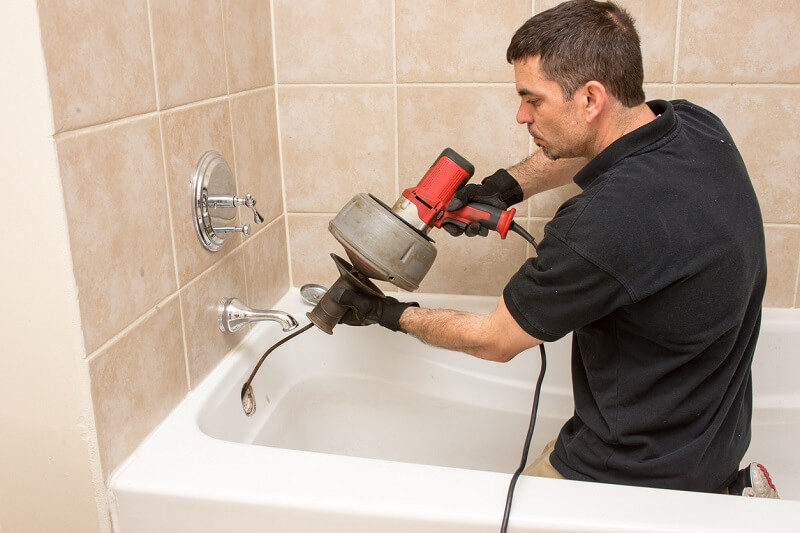
    plumber using snake

    What Is Drain Snaking?

    Drain snaking, also known as augering, uses a flexible metal cable with a cutting or corkscrew tip. The plumber feeds the cable into the pipe to break apart or pull out the obstruction.

    This method is often referred to as a drain-auger vs. water-jet comparison when evaluating cleaning options.

    When Snaking Works Best

    Snaking is typically effective for:

    • Minor clogs close to the drain opening
    • Hair and soap buildup in bathroom lines
    • Small obstructions in kitchen drains
    • Quick, localized blockages

    Because it is relatively simple and fast, snaking is often the first step in diagnosing a clog.

    Limitations of Snaking

    While useful, snaking has its limits:

    • It only punches a hole through the blockage instead of fully cleaning the pipe
    • It may leave grease or residue behind
    • It is less effective for greasy kitchen drain buildup that coats pipe walls
    • It struggles with extensive root intrusion

    In many cases, snaking provides temporary relief, but the clog may return if the underlying buildup is not removed.

    hydro-jetting-bathroom

    What Is Hydro Jetting?

    Hydro jetting is a more advanced solution that uses high-pressure drain cleaning to clear pipes. A specialized hose blasts water at extremely high pressure, often up to 4,000 PSI, to scour the inside of the pipe.

    This process not only removes blockages but also cleans the entire pipe interior.

    When Hydro Jetting Is the Better Choice

    Hydro jetting is ideal for:

    • Thick grease buildup in kitchen drains
    • Sludge and debris lining pipe walls
    • Removing tree roots from sewer line systems
    • Preventative maintenance for recurring clogs
    • Trenchless sewer cleaning without excavation

    For many Etobicoke homes, especially those with older infrastructure, hydro jetting offers a deeper and more complete clean.

    Hydro Jetting vs. Snaking: Key Differences

    Understanding the core differences helps clarify which method suits your situation.

    Cleaning Power:
    Snaking breaks through a blockage. Hydro jetting fully cleans the pipe walls using high-pressure drain cleaning, removing buildup entirely.

    Long-Term Results:
    Snaking may solve the immediate issue. Hydro jetting provides longer-lasting results by eliminating residue that causes future clogs.

    Tree Root Removal:
    Snaking can cut through smaller roots, but hydro jetting is more effective for removing tree roots from sewer line systems when combined with proper inspection.

    Pipe Condition:
    Snaking is less aggressive and suitable for fragile pipes. Hydro jetting is powerful, so a professional inspection is required first, especially for cleaning clay pipes that Etobicoke homes often have.

    Cost Consideration:
    Snaking is generally less expensive upfront. Hydro jetting may cost more initially, but it can reduce repeat service calls.

    Special Considerations for Etobicoke Plumbing Systems

    Older homes in Etobicoke often use clay sewer pipes. While durable, these pipes can become brittle over time.

    When cleaning clay pipes at Etobicoke properties, hydro jetting must be handled carefully. A professional plumber will typically perform a camera inspection before recommending high-pressure drain cleaning.

    Additionally, tree-lined streets in the area increase the likelihood of root intrusion. Roots naturally seek moisture and can enter even small cracks in sewer lines. In these cases, hydro jetting combined with root cutting tools offers one of the most effective trenchless sewer cleaning solutions available.

    Greasy Kitchen Drains: A Common Local Problem

    Kitchen drains are one of the most frequent sources of clogs. Grease, fats, and oils solidify inside pipes, gradually restricting flow.

    A greasy kitchen drain often cannot be fully cleared with snaking alone. The auger may create a path through the grease, but residue remains stuck to the pipe walls.

    Hydro jetting, on the other hand, uses high-pressure drain cleaning to wash away the entire layer of buildup. This restores the pipe to near-original condition and helps prevent future blockages.

    Environmental and Practical Benefits

    Hydro jetting is often considered more environmentally friendly because it relies on water rather than harsh chemicals. This is particularly important in Canadian municipalities where environmental standards are strict.

    It also supports trenchless sewer cleaning, meaning there is no need to dig up your yard to access pipes. This reduces disruption and preserves landscaping.

    Snaking still has its place, especially for quick fixes and minor issues. However, for deeper system cleaning, hydro jetting offers a more comprehensive solution.

    D. Jason Plumbing service truck

    Which Option Should You Choose?

    The right choice depends on the nature of your plumbing issue.

    Choose snaking if:

    • The clog is minor and localized
    • You need a quick and cost-effective solution
    • The pipes are fragile or have not been inspected

    Choose hydro jetting if:

    • You have recurring clogs
    • There is heavy grease buildup
    • You suspect root intrusion
    • You want a long-term solution
    • You need trenchless sewer cleaning for minimal disruption

    In many cases, professional plumbers in Etobicoke will start with an inspection and recommend the most appropriate method based on your system’s condition.

    Contact D. Jason Plumbing Today

    When comparing drain auger vs water jet solutions, it becomes clear that each has a role. Snaking is a practical, entry-level approach for simple clogs. Hydro jetting, however, delivers a deeper clean that addresses the root cause of persistent drainage issues.

    For homeowners in Etobicoke, where aging infrastructure and tree-lined properties are common, investing in high-pressure drain cleaning can provide lasting peace of mind.

    If you are dealing with a stubborn clog, recurring backups, or suspect tree roots in your sewer line, consulting D. Jason Plumbing is the best next step.


  • Kitec Plumbing: The “Ticking Time Bomb” in GTA Homes

    By D. Jason Plumbing |

    Plumber Mississauga

    If your home or condo in Etobicoke or Mississauga was built between 1995 and 2007, there’s a hidden risk you shouldn’t ignore: Kitec plumbing. Once marketed as a modern, cost-effective alternative to copper, this now-infamous piping system has become one of the most concerning issues in Greater Toronto Area real estate.

    Often described by inspectors and contractors as a “ticking time bomb,” Kitec plumbing has been linked to sudden failures, insurance complications, and expensive mandatory replacements. For homeowners planning renovations, buying property, or upgrading systems, understanding Kitec is essential.

    What is Kitec Plumbing?

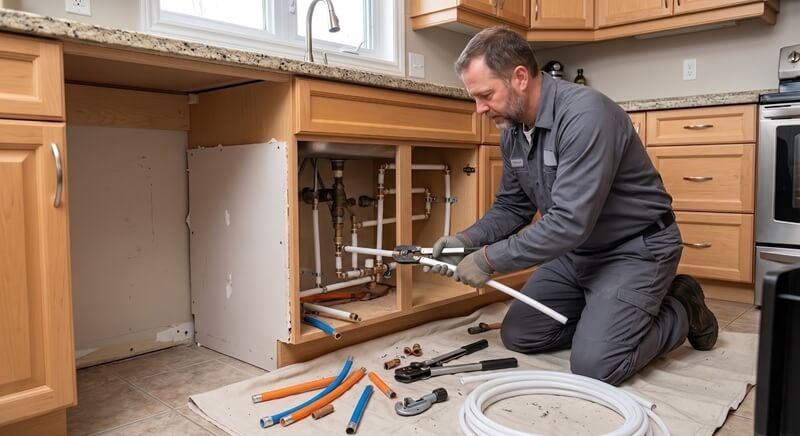
    Kitec plumbing is a composite piping system made of flexible plastic (PEX), an aluminum core, and brass fittings. It was widely used in residential construction across Canada between 1995 and 2007 due to its affordability and ease of installation.

    Manufactured by IPEX, Kitec was marketed as a corrosion-resistant and innovative alternative to copper. Builders across the GTA adopted it quickly, particularly in large-scale suburban developments and condominium projects in areas like Mississauga and Etobicoke.

    However, what initially seemed like a breakthrough product quickly revealed serious flaws.

    plumber replacing kitec plumbing

    Why Kitec Plumbing Became a Major Problem

    The core issue with Kitec lies in its materials, especially the brass fittings. These fittings contain high levels of zinc, which react with oxygen and moisture over time in a process called dezincification. This weakens the fittings internally, often without visible warning.

    At the same time, the pipes themselves are vulnerable to heat and pressure. Hot water systems can exceed the temperature limits Kitec was designed for, accelerating deterioration.

    The result?

    • Sudden pipe bursts
    • Slow, hidden leaks behind walls
    • Reduced water pressure from mineral buildup
    • Severe flooding and water damage

    Kitec was officially recalled in 2005 and discontinued by 2007 after widespread failures and complaints.

    The IPEX Lawsuit and What It Means for Homeowners

    The growing number of failures led to a major class-action case known as the IPEX lawsuit. Homeowners across Canada and the U.S. filed claims against the manufacturer, resulting in a settlement fund reportedly worth $125 million.

    While this settlement acknowledged the defects, it didn’t eliminate the problem. Many homeowners either missed the claim deadline or received compensation that didn’t fully cover replacement costs. You can read more about the cost of replacing Kitec piping here.

    Today, the presence of Kitec plumbing is still a red flag in real estate transactions, and a liability that falls squarely on current property owners.

    How to Identify Kitec Pipes in Your Home

    One of the most important steps for homeowners is to identify Kitec pipes before problems arise.

    The most obvious signs include:

    • Orange and blue plumbing pipes: Orange typically carries hot water, while blue carries cold
    • Flexible plastic piping with an aluminum core
    • Brass fittings stamped with labels such as “Kitec,” “KTC,” or “IPEX”
    • Markings like “ASTM 1281” printed on the pipe

    These pipes are often visible near hot water tanks, under sinks, or in unfinished basements.

    It’s important not to confuse Kitec with modern PEX systems. While they may look similar, the performance and reliability are vastly different.

    PEX vs Kitec: What’s the Difference?

    At first glance, Kitec and PEX plumbing can appear nearly identical. Both use flexible plastic piping and were designed as alternatives to rigid copper systems.

    However, the differences are critical:

    • Material reliability: Modern PEX is engineered to withstand higher temperatures and pressure, while Kitec degrades under stress
    • Fittings: PEX uses more durable fittings, whereas Kitec’s brass fittings are prone to corrosion
    • Longevity: PEX systems are designed for long-term use; Kitec systems have a known history of premature failure

    In short, while PEX is still widely used and trusted today, Kitec is considered defective and obsolete.

    The Hidden Risk: Plumbing Insurance Denial

    One of the most serious consequences of having Kitec plumbing is difficulty obtaining home insurance.

    Many insurers in Ontario either:

    • Deny coverage outright
    • Require full replacement before issuing a policy
    • Exclude water damage claims related to Kitec

    This creates a major problem for homeowners and buyers alike. Even if your system hasn’t failed yet, the mere presence of Kitec can impact your ability to insure or sell your property.

    Home inspectors and real estate professionals are now required to disclose Kitec when identified, further affecting property value and marketability.

    D. Jason Plumbing service truck

    Condo Pipe Replacement in Toronto: A Growing Trend

    Kitec isn’t just a problem in detached homes, it’s widespread in GTA condominiums built during the same period.

    In many Toronto condo buildings, entire plumbing systems are now being replaced proactively. These large-scale projects often involve:

    • Opening walls and ceilings across multiple units
    • Coordinating building-wide shutdowns
    • Significant disruption for residents

    Condo boards are increasingly mandating replacement programs to avoid catastrophic failures and insurance complications.

    For individual unit owners, this means special assessments or renovation requirements may be unavoidable.

    Repiping Cost in Mississauga and the GTA

    Replacing Kitec plumbing, often referred to as “repiping,” is the only permanent solution.

    Costs vary depending on the size and type of property, but general estimates in Mississauga and surrounding areas include:

    • Condos: $5,000 to $15,000+
    • Townhomes: $8,000 to $20,000+
    • Detached homes: $15,000 to $30,000+

    Factors that influence pricing include:

    • Accessibility of pipes (finished vs unfinished spaces)
    • Number of bathrooms and fixtures
    • Wall and ceiling restoration after replacement

    While the cost may seem high, delaying replacement can lead to significantly more expensive water damage repairs.

    Why Kitec Is Called a “Ticking Time Bomb”

    Unlike many home issues that show gradual warning signs, Kitec plumbing often fails without notice.

    A system can appear perfectly functional for years, until a sudden rupture causes flooding within minutes. This unpredictability is what makes it so dangerous.

    With an estimated hundreds of thousands of homes affected across North America, the issue is far from rare.

    For homeowners in the GTA, especially in neighbourhoods developed during the late 1990s and early 2000s, the risk is particularly high.

    What Should Homeowners Do Next?

    If you suspect or confirm the presence of Kitec plumbing, taking action early is critical.

    Start with a professional plumbing inspection to verify the system and assess its condition. From there, plan for full replacement rather than temporary fixes. Experts widely agree that partial repairs do not eliminate the underlying risk.

    If you’re buying a home or condo, ensure Kitec is identified during inspection and factor replacement costs into your negotiation.

    Contact D. Jason Plumbing Today

    Kitec plumbing is one of the most significant hidden risks in GTA real estate. What was once marketed as a cost-saving innovation has become a costly liability for thousands of homeowners in Etobicoke, Mississauga, and beyond.

    From identifying orange and blue plumbing pipes to understanding the implications of the IPEX lawsuit, insurance challenges, and repiping costs, awareness is your best defence. Contact D. Jason Plumbing to discuss keeping your home plumbing safe.


    Sources:

    https://www.canadianhomeinspection.com/home-reference-library/plumbing/kitec-plumbing


  • Beating the Limescale: Hard Water Solutions for Brampton and Mississauga

    By D. Jason Plumbing |

    Plumber Mississauga


    If you live in Peel Region, you’ve likely battled it: that stubborn, chalky white residue crusting over your showerhead or spotting your freshly washed wine glasses. It’s frustrating, it’s damaging to your appliances, and it takes a toll on your skin. But you aren’t imagining things; your water is putting up a fight.

    The “White Crust” Problem: What is Hard Water?

    At its core, “hard water” simply means your water contains high concentrations of dissolved minerals, primarily calcium and magnesium. As water travels through the earth and into our municipal systems, it picks up these minerals. When this water dries on surfaces or is heated in your home, the minerals are left behind, crystallizing into that familiar white, rocky buildup known as limescale.

    Beyond the frustrating cleaning routine, this mineral-heavy water has a direct impact on your daily life. If you’ve been struggling with itchy skin or brittle hair, poor dry skin water quality is often the hidden culprit. The minerals in hard water react with soap to form a film rather than a rich lather, stripping your skin of its natural moisture and leaving a soapy residue behind.

    Why Peel Region Water is Harder Than Toronto’s

    A common point of confusion for GTA residents is why water quality feels different depending on the city. The Brampton water hardness level and Mississauga’s supply typically hover around 120 to 140 milligrams per litre (mg/L), or roughly 7 to 8 grains per gallon (gpg). This firmly places South Peel’s water in the “moderately hard” to “hard” category.

    While Toronto and South Peel both draw their municipal water from Lake Ontario, localized infrastructure, the distance the water travels, and pipe age can influence the final mineral content at your tap. Furthermore, northern parts of Peel Region (like Caledon) rely heavily on groundwater wells, which sit in limestone-rich bedrock. This groundwater can spike well above 15 gpg (extremely hard), giving the entire Peel Region a well-earned reputation for battling mineral-heavy water. While your Brampton or Mississauga tap water isn’t quite that extreme, 7 to 8 gpg is exactly the threshold where significant scaling begins to wreak havoc on a home.

    Plumbing Fixtures/Appliances Damaged by Hard Water

    Limescale is more than just an aesthetic annoyance; it’s a quiet destroyer of plumbing infrastructure. Addressing it early is the most effective strategy for extending appliance life and preventing costly emergency plumbing calls.

    Tankless Water Heaters

    Tankless water heaters are incredibly efficient, but they are highly vulnerable to hard water. Because they rapidly flash-heat water on demand, the calcium precipitates out of the water much faster than in a traditional tank. This scale clings directly to the heat exchanger.

    Over time, this buildup forces the unit to work harder to heat the water, driving up your gas or electric bills and eventually causing the heat exchanger to overheat and crack. If you have one of these units in Peel Region, regular tankless water heater maintenance is non-negotiable. You must perform an annual hard-water scale-removal flush using a specialized descaling solution or food-grade white vinegar to dissolve the buildup and protect your investment.

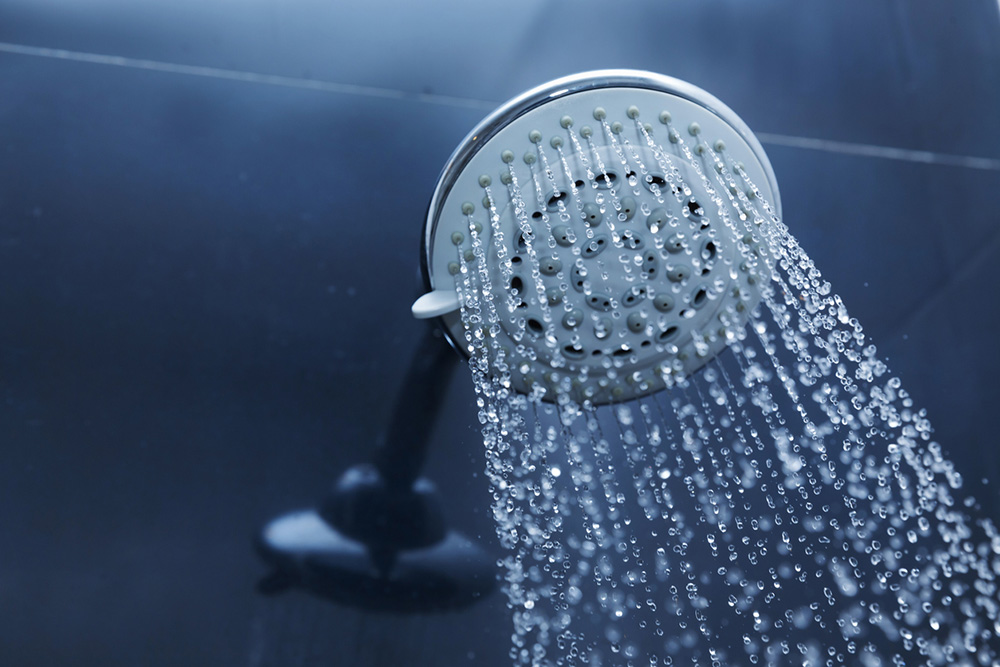
    showerhead with lime

    Faucets, Showerheads, and Dishwashers

    Inside your home, the signs of hard water damage are everywhere:

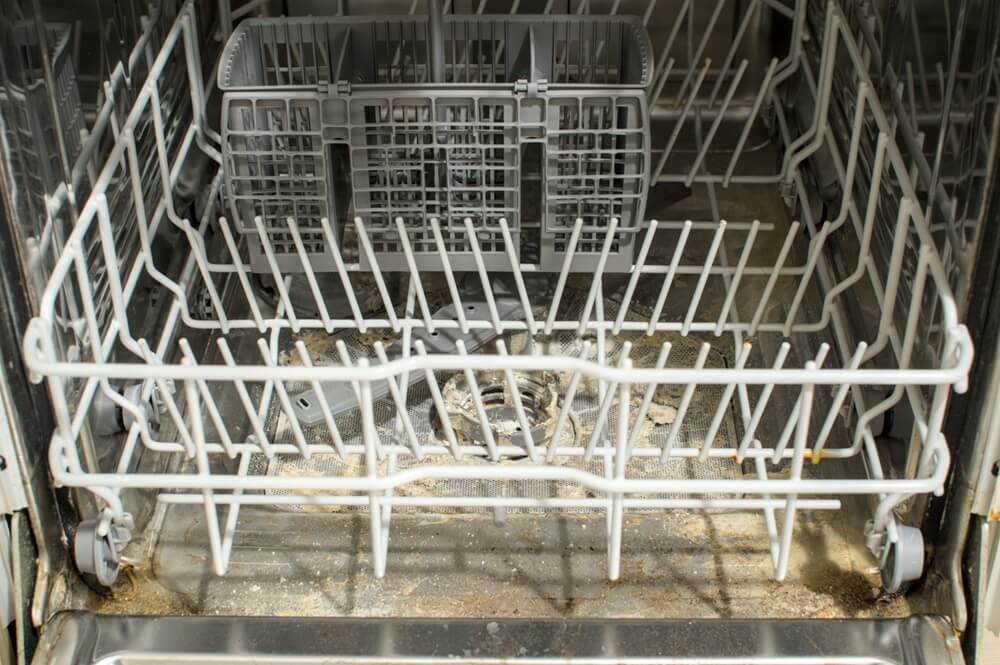
    • Dishwashers: Heating elements get coated in scale, reducing efficiency and leaving your glassware cloudy and spotted.
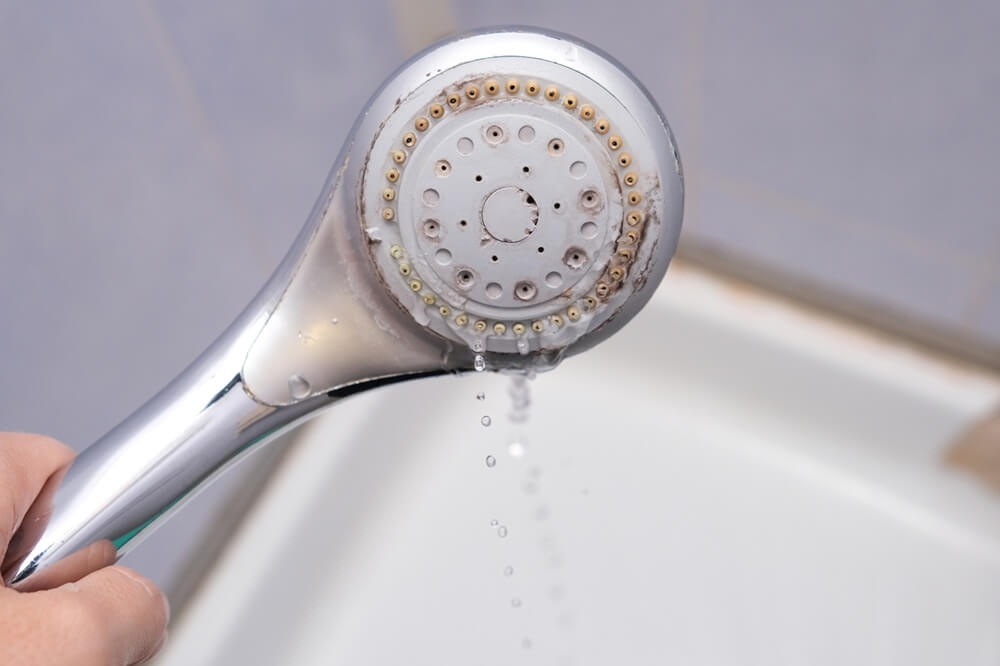
    • Showerheads: Mineral deposits clog the fine rubber nozzles, sending water spraying in every direction and dropping your water pressure.
    • Washing Machines: Calcium buildup degrades rubber hoses and internal pumps, leading to premature leaks.

    Water Softener vs. Water Conditioner: What’s the Difference?

    When looking for a whole-home solution, homeowners are usually presented with two main options. Understanding the water conditioner vs softener debate is key to choosing the right system for your home.

    • Water Softeners: These are the traditional, gold-standard solution for hard water. They use a process called “ion exchange.” Inside the resin tank, the calcium and magnesium ions are physically trapped and swapped with sodium or potassium ions.
      • The Result: The water is completely stripped of hardness minerals. Your water will feel “slick,” soap will lather beautifully, and scale buildup is 100% eliminated. They require adding bags of salt to a brine tank periodically.
    • Water Conditioners (Descalers): These systems do not remove the minerals from the water. Instead, they use a process like Template Assisted Crystallization (TAC) to alter the physical structure of the calcium crystals so they cannot stick to surfaces.
      • The Result: You won’t get scale buildup in your pipes or water heater, making them great for appliance protection. However, because the minerals are still in the water, it won’t fix water spotting on dishes, and it won’t improve issues with dry skin or hair. They do not require salt or electricity.

    Installation Requirements for GTA Homes

    If you decide to install a treatment system in your Brampton or Mississauga home, there are a few logistical requirements to consider before the plumber arrives:

    1. Proximity to the Water Main: Your system needs to be installed as close to where the main water line enters your house as possible, usually in the basement near the water meter. This ensures the entire home is treated.
    2. Access to a Drain: A true water softener needs to regenerate its resin beads, which involves flushing salty wastewater down a drain. You will need a floor drain or a standpipe nearby. (Conditioners do not require this).
    3. Electrical Outlet: Most modern softeners require a standard 120V electrical outlet to run the digital control valve and scheduled regeneration cycles.
    4. Bypass Valve: A critical feature for any installation. A bypass valve allows you to divert water around the softener if it ever needs maintenance, or if you want to use unsoftened water to water your lawn and garden (which saves you from wasting softened water and salt).

    Contact D.Jason Plumbing Today

    Living in Peel Region means accepting that hard water is part of the local geography, but it doesn’t mean you have to live with the damage. Contact D.Jason Plumbing today to discuss hard water solutions.


  • 2026 Basement Flooding Rebates (Peel vs. Toronto)

    By D. Jason Plumbing |

    Plumber Mississauga


    As we move into 2026, the landscape of home protection in the Greater Toronto Area is shifting. Following the record-breaking storms of previous years, municipal governments have overhauled their financial assistance programs to help homeowners defend against sewer backups and overland flooding.

    Whether you reside in the heart of Toronto or the growing communities of Mississauga and Brampton, there has never been a more financially viable time to secure your home. This guide breaks down the 2026 Basement Flooding Rebates, comparing the Peel Region and City of Toronto programs to ensure you maximize your savings while protecting your biggest investment.

    Why Cities Are Paying You to Upgrade Your Plumbing

    Municipalities are increasingly proactive about flood prevention for one simple reason: it is cheaper to help you install a backwater valve than it is to repair a catastrophically damaged municipal sewer system or deal with the environmental fallout of mass basement flooding.

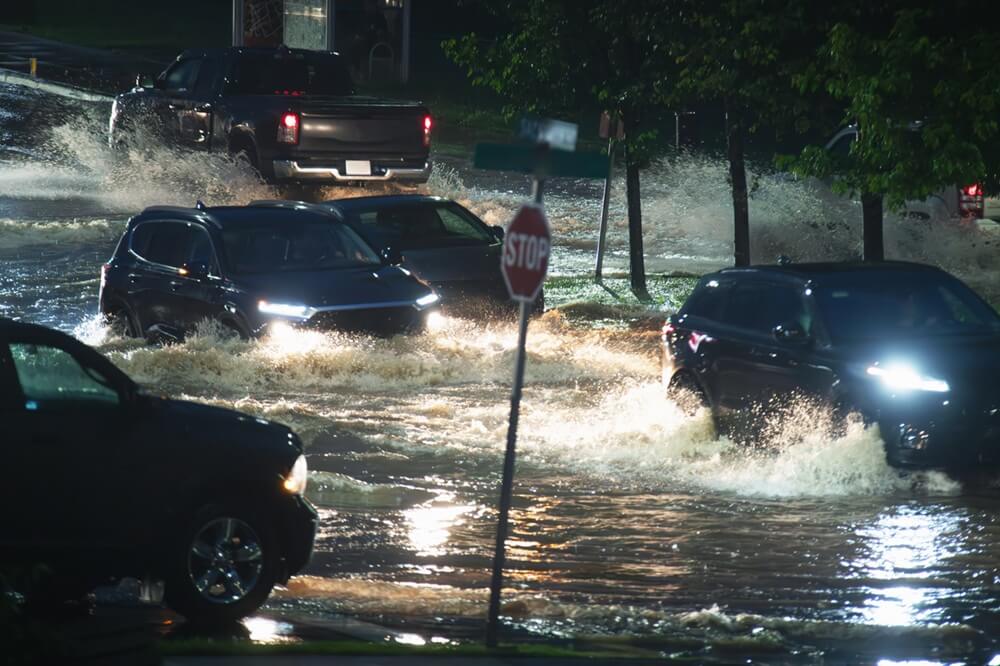
    Urban infrastructure in the GTA was largely designed for a climate that no longer exists. Today’s “1-in-100-year” storms are happening with alarming frequency. When the city’s main sewer lines become overwhelmed by heavy rainfall, the excess water looks for the path of least resistance—which is often the floor drain in your basement.

    By offering a basement waterproofing subsidy, cities shift the defense to the “private side” of the property. These upgrades reduce the strain on the public grid and significantly lower the likelihood of costly insurance claims that drive up premiums for everyone.

    The City of Toronto Subsidy: Up to $6,650

    In a landmark move for 2026, the City of Toronto flood subsidy has seen a massive expansion. Following City Council’s late-2025 decision to account for rising material costs and inflation, the previous cap of $3,400 has been nearly doubled.

    As of May 1, 2026, the Enhanced Basement Protection Subsidy Program allows homeowners to claim up to $6,650 per property. This is a tiered system designed to cover roughly 80% of the costs for specific, high-impact installations.

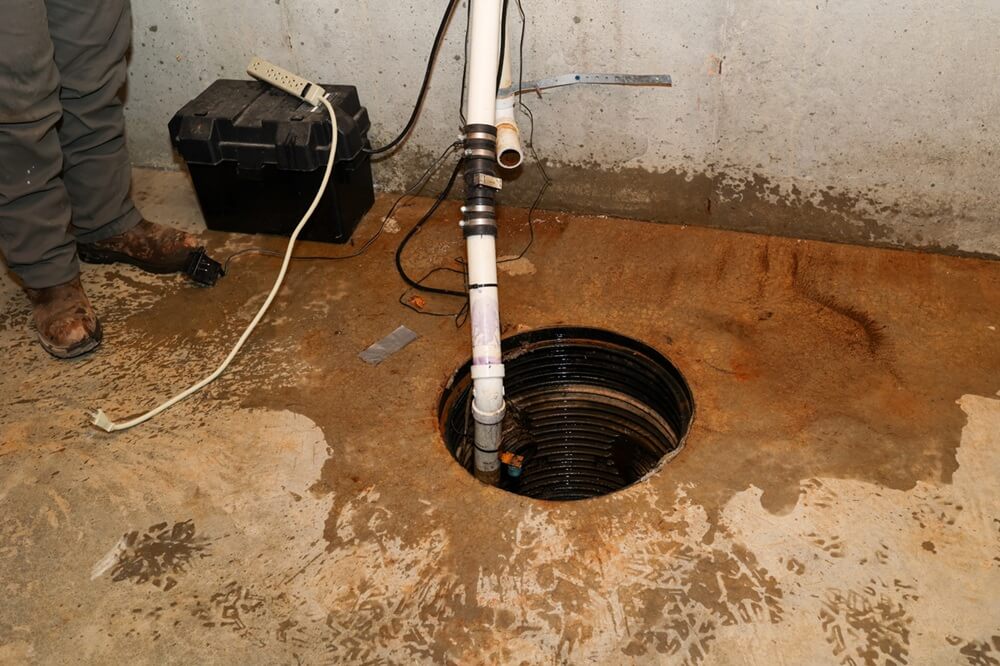
    sump pump installation

    Eligible Devices (Backwater Valves, Sump Pumps, Pipe Severance)

    The Toronto program focuses on three main lines of defense:

    • Backwater Valves: Now eligible for up to $1,600 (increased from $1,250). This device acts as a one-way gate, allowing waste to exit your home but locking tight if sewage tries to back up from the street.
    • Sump Pumps: Subsidies have risen to $2,240 (increased from $1,750). This includes the pump, the pit, and crucially for 2026 a specific $300 bonus for battery backup systems to ensure the pump works even during power outages.
    • Foundation Drain Severance and Capping: Eligible for up to $512. This process involves disconnecting your home’s “weeping tiles” from the city’s sanitary sewer, preventing a direct highway for floodwater into your basement.

    Who Qualifies? (Single Family, Duplex, Triplex)

    The subsidy is available to owners of existing single-family, duplex, triplex, and fourplex residential homes. To be eligible, your property must:

    1. Have downspouts disconnected from the city sewer system (or have an official exemption).
    2. Not have exceeded the lifetime maximum for the property.
    3. Use a contractor with a valid City of Toronto business license.

    The Peel Region Rebate (Mississauga & Brampton)

    Peel Region, encompassing Mississauga and Brampton, takes a slightly different approach. While Toronto focuses on a total package, Peel offers targeted programs that address both the sanitary sewers and the storm lateral systems.

    The “Backwater Valve” Focus

    The Peel Region backwater valve rebate remains the cornerstone of their flood prevention strategy. For 2026, Peel offers a 60% rebate on the invoiced amount, up to a maximum of $1,500 (including tax).

    Unlike Toronto, which is more flexible with multi-unit dwellings, the Peel rebate is strictly for residential properties (singles, semis, or townhomes) where the valve serves only one dwelling unit. If you have a basement apartment that shares a sewer lateral, you may not qualify for this specific rebate under current Ontario Building Code interpretations used by the Region.

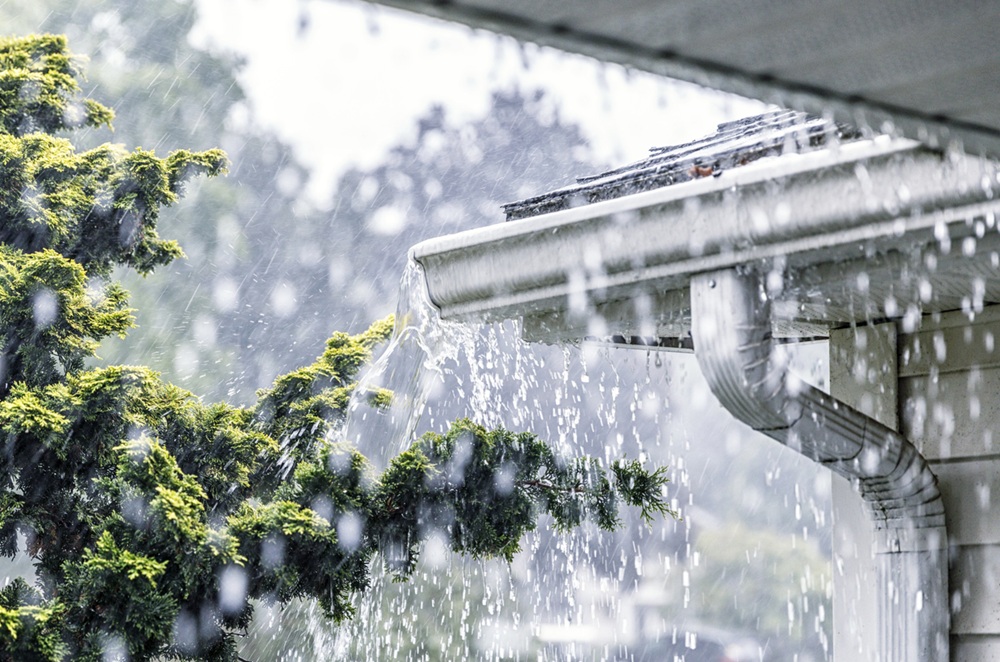
    downspouts and rain
    Drenching downpour rain storm water is overflowing off the tile shingle roof – splashing out over the overhanging eaves during a torrential mid-summer July downpour.

    Mississauga Plumbing Grants

    Residents in Mississauga have access to an even more robust layer of protection. The Mississauga plumbing grants (specifically the Basement Flooding Prevention Rebate) can offer up to $7,500 for comprehensive work. This is particularly useful for homes that need:

    • Sump Pump Installation: Up to $6,000 for a new system.
    • Storm Lateral Backwater Valves: Up to $1,500.
    • Downspout Disconnection: Up to $500 ($125 per downspout).

    2026 Application Deadlines and Rules

    In Peel, timing is everything. Applications must typically be submitted after the work is completed and inspected. However, for 2026, Peel has maintained a 10-year rule: if you received a rebate more than a decade ago, you are now eligible to apply again for a “renewal” or upgrade of your systems.

    Step-by-Step: How to Apply (And Not Get Rejected)

    The most common reason for a rejected sump pump rebate eligibility claim isn’t the hardware, it’s the paperwork. Follow this checklist to ensure your check arrives in the mail:

    1. The Licensed Assessment: Start with a professional plumbing assessment. Toronto now offers a $500 rebate just for the inspection itself to help you identify risks before you dig.
    2. Verify Licensing: In Toronto, your plumber must have a City of Toronto trade license. In Peel, they must be a licensed Master Plumber in Ontario.
    3. The “Before” Photo: Many 2026 applications now request or highly recommend “before” photos or a sketch of the existing plumbing layout to prove the necessity of the upgrade.
    4. Itemized Invoicing: Your invoice must be marked “Paid in Full” and must itemize the cost of the device, the labour, and the taxes separately.
    5. Submission Windows: Toronto has extended its application window to two years post-installation for 2026, but Peel still operates on a tighter schedule. Always submit within 30 days of your final inspection to be safe.

    Do You Need a Permit?

    One of the biggest hurdles for homeowners is the backflow preventer installation permit. You cannot simply “DIY” a backwater valve and expect a rebate.

    Both the City of Toronto and the Region of Peel require a Building Permit for backwater valve and sump pump installations. This is for your protection; a city inspector must visit your home after the rough-in (but before the floor is concreted over) to ensure the valve is installed in the correct direction and at the proper grade.

    The good news? Some professional plumbing companies handle the permit application process for you. They can coordinate with the municipal building department, pull the necessary permits, and schedule the inspector to ensure your installation is 100% compliant. Without that inspector’s “final sign-off” signature, your rebate application will be rejected immediately. You can read more about navigating plumbing permits here.

    Contact D. Jason Plumbing Today

    The 2026 rebates are the most generous we have seen in decades, but they are subject to annual budget caps. Once the municipal funding for the year is exhausted, homeowners often have to wait until the next fiscal cycle to apply. Contact D. Jason Plumbing today to discuss budgets for your plumbing projects.


    References: https://www.toronto.ca/services-payments/water-environment/managing-rain-melted-snow/basement-flooding/basement-flooding-protection-subsidy-program/

    https://secure.toronto.ca/council/agenda-item.do?item=2025.IE25.3


  • The Environmental Benefits of Water-Efficient Plumbing Fixtures in Mississauga

    By D. Jason Plumbing |

    Plumber Mississauga

    In an era where sustainability is no longer a luxury but a necessity, homeowners and businesses in Mississauga are increasingly looking for ways to reduce their ecological footprint. While many focus on solar panels or electric vehicles, one of the most impactful changes can be found right behind your walls and under your sinks. Water-efficient plumbing is a cornerstone of modern urban sustainability, offering a practical path toward long-term environmental stewardship.

    As Mississauga continues to grow, the pressure on our local infrastructure and natural water sources intensifies. By adopting environmental plumbing practices, residents can play a pivotal role in ensuring that the Region of Peel remains a vibrant, resource-rich community for generations to come.

    Understanding Water-Efficient Plumbing

    Water-efficient plumbing refers to a specialized category of fixtures and appliances designed to use the minimum amount of water required to perform a task effectively. Unlike older, “standard” fixtures that rely on high volume and high pressure, modern low-flow fixtures use advanced engineering to maintain performance while significantly reducing waste.

    In Mississauga, where we draw our water primarily from Lake Ontario, the process of treating, pumping, and heating water is energy-intensive. Water-efficient plumbing isn’t just about “using less”; it’s about “using smart.” It involves the integration of technology such as pressure-compensating valves and high-velocity spray patterns, which ensures that the end-user experience (like a satisfying shower or a clean flush) remains high even as the gallon-per-minute (GPM) count drops.

    How Water-Efficient Fixtures Save Water

    The transition to a water-conscious home is often achieved through the installation of specific hardware. These devices target the highest areas of water consumption in a typical household.

    Low-Flow Toilets

    The toilet is often the largest consumer of indoor water. Older models can use up to 13 litres (or more) per flush. In contrast, modern high-efficiency toilets (HETs) are designed to use 4.8 litres or less. Some even feature dual-flush technology, allowing users to choose a lower volume for liquid waste, further optimizing water conservation efforts.

    Low-Flow Showerheads

    Showerheads were traditionally notorious for high flow rates, sometimes exceeding 15 litres per minute. Modern low-flow showerheads use flow restrictors and aerators to provide a pressurized feel while using less than 7.5 litres per minute. This simple switch can save thousands of litres of water annually for an average Mississauga family.

    Faucet Aerators

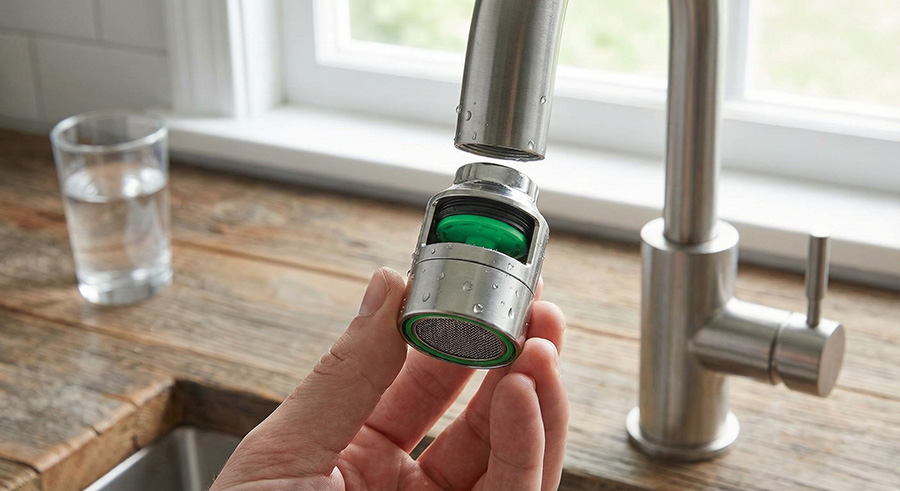
    Perhaps the most cost-effective tool in the environmental plumbing kit is the faucet aerator. These small, mesh screens screw onto the tip of your taps. By mixing air into the water stream, they maintain high pressure while reducing the total volume of water flowing out. It’s an invisible change that makes a visible difference on your utility bill and the environment.

    faucet aeroator being installed

    Environmental Benefits of Water Conservation

    The impact of switching to low-flow fixtures extends far beyond the four walls of your home. It creates a ripple effect that benefits the entire ecosystem of Southern Ontario.

    Reduced Water Consumption

    Mississauga’s population is booming. As more people move into the city, the total demand for fresh water rises. By reducing per-capita consumption, we take the pressure off our municipal treatment plants. This allows existing infrastructure to serve more people without requiring massive, environmentally disruptive expansions.

    Lower Energy Use

    There is a direct link between water and energy. A significant portion of a home’s energy bill goes toward heating water for showers, laundry, and dishes. Furthermore, the City of Mississauga and the Region of Peel use a tremendous amount of electricity to pump water from Lake Ontario to your home and then treat the wastewater. Less water used means less energy burned, which directly reduces greenhouse gas emissions.

    Protecting Water Resources

    While Lake Ontario seems vast, it is a delicate ecosystem. Excessive water extraction and the subsequent return of treated wastewater can alter local water chemistry and temperatures. By practicing water conservation, we help maintain the natural balance of our Great Lakes, protecting fish habitats and the quality of the water we eventually drink.

    Rebates and Incentives for Water-Efficient Fixtures in Mississauga

    The Region of Peel (which includes Mississauga) has historically recognized the importance of water efficiency. To encourage residents to make the switch, various programs have been implemented to offset the costs of upgrading.

    • Toilet Replacement Programs: Periodically, the Region offers rebates for replacing old, high-flush toilets with WaterSense® certified models.
    • Smart Irrigation Subsidies: For those with large lawns, incentives for smart weather-based controllers help prevent over-watering during Mississauga’s humid summers.
    • Educational Workshops: The city often hosts events to teach residents about environmental plumbing and simple DIY fixes for

    It is always recommended to check the official Region of Peel Water website for the most current rebate availability, as these programs often update annually based on budget and conservation goals.

    Choosing and Installing Water-Efficient Fixtures

    When you decide to upgrade, look for the WaterSense® label. This is a partnership program sponsored by the U.S. Environmental Protection Agency (and recognized in Canada) that certifies products that are at least 20% more efficient than average products in that category.

    watersense logo

    For installation, while some tasks, like changing a showerhead, are DIY-friendly, more complex upgrades, like whole-home pressure regulators or high-efficiency toilet suites, should be handled by a professional. A licensed plumber in Mississauga can ensure that your new fixtures are compliant with local building codes and that your drainage system is properly vented to handle the lower water volumes.

    Pro Tip: When installing low-flow devices, always check your home’s water pressure first. If your pressure is too low, certain high-efficiency fixtures may not perform as intended.

    Contact D.Jason Plumbing Today

    The move toward water-efficient plumbing is one of the most effective ways for Mississauga residents to contribute to a sustainable future. By choosing low-flow fixtures, we are not just saving money on our monthly bills; we are actively reducing the energy demands of our city and protecting the majestic Great Lakes that define our geography.

    Every drop saved is a testament to a community that values its resources. Whether you are a homeowner looking to renovate or a business owner aiming to go green, the transition to environmental plumbing is a clear win for your wallet and the planet. Contact D.Jason Plumbing today to ensure you are using the most efficient plumbing for your property.


  • Tankless Water Heater vs. Traditional Water Heater: Which is Best for Your Etobicoke Home?

    By D. Jason Plumbing |

    Plumber Mississauga


    For homeowners in Etobicoke, making decisions about major appliances often comes down to balancing immediate cost with long-term energy efficiency and reliability. Few home systems are as critical—or as frequently debated—as the water heater. The choice between a modern tankless water heater and a familiar traditional water heater can significantly impact your utility bills, available space, and access to hot water. This comprehensive guide provides an in-depth comparison to help you determine the optimal solution for your specific property and lifestyle in the Greater Toronto Area. We’ll explore the pros and cons of each system, examining key factors like installation, ongoing maintenance, and overall lifecycle value, ensuring you have all the facts before investing in the comfort of your home.

    Understanding Traditional Water Heaters

    The traditional water heater, often referred to as a storage-tank water heater, is the most common type found in homes across Etobicoke and North America. Its operation is straightforward, and its design has been a reliable fixture for decades.

    How They Work

    A traditional water heater consists of a large, insulated storage tank, typically ranging from 40 to 60 gallons for residential use. This tank constantly holds a reserve of hot water. When a faucet is turned on, hot water is drawn from the top of the tank, and cold water enters the bottom to replace it. A thermostat regulates the water temperature, and a gas burner or electric heating elements switch on periodically to reheat the stored water. This constant heating and reheating process, even when no hot water is being used, is a defining characteristic of the system.

    Advantages and Disadvantages

    The main advantages of a traditional water heater include its lower initial cost and simple installation. It uses reliable, simple technology that is easy for most plumbers to service, and it provides high flow rates suitable for multiple simultaneous uses.

    However, the key disadvantages revolve around its limited supply and poor energy efficiency. It suffers from significant energy loss due to “standby heat loss” and, once the tank is empty, you must wait for it to reheat. Its large size requires considerable basement or utility room space, and it has a shorter lifespan, typically 10-15 years.

    Exploring Tankless Water Heaters

    The tankless water heater, also known as an on-demand water heater, represents a significant technological leap in home water heating. It has become increasingly popular in Etobicoke as homeowners seek greener, more efficient solutions.

    How They Work

    A tankless water heater doesn’t store water. Instead, it heats water instantaneously as it flows through the unit. When a hot water tap is opened, cold water travels through a pipe into the unit. A flow sensor detects the demand and activates a powerful gas burner or electric heating element. This heat exchanger quickly raises the water to the desired temperature before sending it on its way to the faucet. When the tap is closed, the unit shuts off. Because it only heats water when it’s needed, it is a champion of energy efficiency. You can read more about the installation process for tankless water heaters here.

    Advantages and Disadvantages

    The clear advantages of a tankless water heater are the provision of an endless supply of hot water and superior energy efficiency (up to 34% more efficient than tank models). They have a compact size that saves valuable floor space and a longer lifespan, often exceeding 20 years. They may also be eligible for some rebates and incentives.

    Conversely, the primary disadvantages are the higher initial purchase and installation cost, especially for gas models requiring new venting. There is also a potential for flow rate limitations if multiple fixtures are demanding hot water simultaneously, and they require specialized annual maintenance (descaling/flushing).

    bulky water heater vs tiny tankless water heater

    Key Differences Between Tankless and Traditional Water Heaters

    When performing a direct comparison, several critical factors emerge that highlight the fundamental differences between these two heating systems, each bearing specific relevance to a property in Etobicoke.

    Energy Efficiency

    This is arguably the most significant differentiator. Traditional water heaters suffer from standby heat loss—the energy wasted as the tank continually heats the water, regardless of demand. This accounts for a substantial amount of wasted cost over the unit’s life. Tankless water heaters eliminate standby loss entirely because they do not store hot water. According to Energy Star, a tankless unit can be 24%–34% more energy efficient than a conventional storage-tank heater for homes that use 41 gallons or less of hot water daily. Over the lifespan of the unit, this difference translates to considerable savings on your Etobicoke utility bills.

    Cost

    The cost comparison reveals a trade-off between upfront investment and long-term savings. The initial purchase and installation of a tankless water heater can be two to three times higher than a traditional water heater. A large part of this higher price is often due to necessary venting and gas line upgrades, particularly in older Etobicoke homes. However, the superior energy efficiency of the tankless water heater means lower monthly operating costs.

    When factoring in the longer lifespan (20+ years for tankless vs. 10-15 years for traditional), the higher initial investment for a tankless water heater is typically offset by energy savings, making the Total Cost of Ownership (TCO) often lower for the tankless option over two decades.

    Space Requirements

    For homes in Etobicoke where space is at a premium, the spatial difference is a major advantage for the tankless option. A traditional water heater is a bulky appliance, often taking up significant floor space in a basement or utility closet. A tankless water heater is a small, wall-mounted unit, roughly the size of a suitcase, freeing up valuable real estate. This compact size allows for flexible installation, sometimes even in a garage or utility room, which is a massive pro for maximizing living space.

    Lifespan

    Durability and longevity significantly impact the total number of replacement cycles an Etobicoke homeowner can expect. A traditional water heater typically has a lifespan of 10 to 15 years before tank corrosion necessitates replacement. Because a tankless water heater is built with replaceable parts and is not subject to the corrosive environment of storing water, its lifespan can easily exceed 20 years, provided it receives regular maintenance. This longer lifespan is another factor contributing to its eventual economic advantage.

    Factors to Consider When Choosing a Water Heater for Your Etobicoke Home

    Selecting the right water heater involves more than just a direct feature-to-feature comparison; it requires evaluating your household’s specific needs and the characteristics of your Etobicoke property.

    Household Size and Usage: Large families or homes with high simultaneous hot water demand (e.g., running a shower, washing machine, and dishwasher at once) may need a high-capacity gas tankless water heater or require two smaller tankless units to meet peak flow rate needs. A small family or couple may find a high-efficiency traditional water heater sufficient and more cost-effective upfront.

    Fuel Source Availability: While electric tankless heaters exist, the most powerful and efficient units run on natural gas or propane. Most Etobicoke homes have natural gas lines, making a gas-powered tankless water heater a viable and high-performing option. If only electricity is available, a high-efficiency heat pump water heater (a type of traditional unit) may offer a better comparison for efficiency.

    Budget for Installation: If your budget is tight, the lower initial cost of a traditional water heater will be a deciding factor. If you have the capital for the higher upfront installation cost, the tankless water heater is the superior long-term investment due to its exceptional energy efficiency.

    Installation and Maintenance

    Regardless of which system you choose, proper installation and ongoing maintenance are essential for optimal performance and longevity, especially given the seasonal demands placed on heating systems in Etobicoke.

    Installation:

    Traditional: Installation is relatively straightforward, often involving a direct replacement. Cost is lower, and the job is generally quicker.

    Tankless: Installation is more complex and involves a higher cost. Gas units often require wider venting pipes (stainless steel) and a larger gas line to handle the higher BTU demand. Electric units require dedicated, high-amperage wiring. Due to this complexity, it is crucial to hire a licensed and experienced professional.

    Maintenance:

    Traditional: Requires minimal routine maintenance. Homeowners should occasionally check the pressure relief valve, but service is usually only needed when a component fails.

    Tankless: Requires annual flushing or descaling to remove mineral buildup (limescale) from the heat exchanger, especially in areas with hard water. While this is an additional annual cost and task, it is vital to protect the unit’s energy efficiency and ensure its extended lifespan.

    Get Expert Water Heater Advice in Etobicoke

    For reliable water heater services, including expert guidance on the right unit for your needs and professional installation and maintenance in the Etobicoke area, you should consult us at D. Jason Plumbing, who specialize in both tankless water heater and traditional water heater systems.