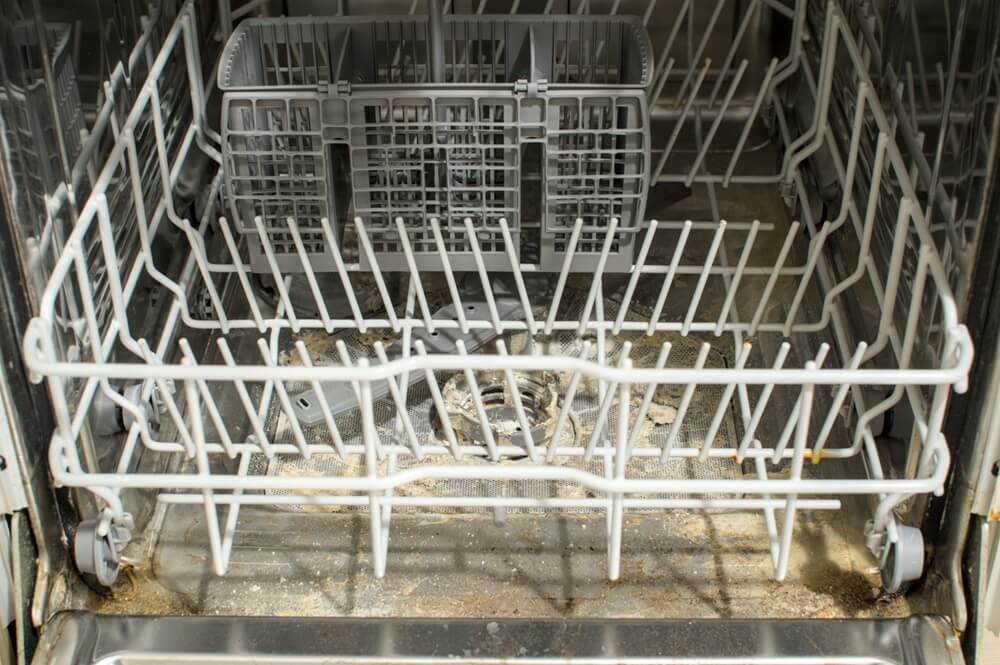
If you live in Peel Region, you’ve likely battled it: that stubborn, chalky white residue crusting over your showerhead or spotting your freshly washed wine glasses. It’s frustrating, it’s damaging to your appliances, and it takes a toll on your skin. But you aren’t imagining things; your water is putting up a fight.
The “White Crust” Problem: What is Hard Water?
At its core, “hard water” simply means your water contains high concentrations of dissolved minerals, primarily calcium and magnesium. As water travels through the earth and into our municipal systems, it picks up these minerals. When this water dries on surfaces or is heated in your home, the minerals are left behind, crystallizing into that familiar white, rocky buildup known as limescale.
Beyond the frustrating cleaning routine, this mineral-heavy water has a direct impact on your daily life. If you’ve been struggling with itchy skin or brittle hair, poor dry skin water quality is often the hidden culprit. The minerals in hard water react with soap to form a film rather than a rich lather, stripping your skin of its natural moisture and leaving a soapy residue behind.
Why Peel Region Water is Harder Than Toronto’s
A common point of confusion for GTA residents is why water quality feels different depending on the city. The Brampton water hardness level and Mississauga’s supply typically hover around 120 to 140 milligrams per litre (mg/L), or roughly 7 to 8 grains per gallon (gpg). This firmly places South Peel’s water in the “moderately hard” to “hard” category.
While Toronto and South Peel both draw their municipal water from Lake Ontario, localized infrastructure, the distance the water travels, and pipe age can influence the final mineral content at your tap. Furthermore, northern parts of Peel Region (like Caledon) rely heavily on groundwater wells, which sit in limestone-rich bedrock. This groundwater can spike well above 15 gpg (extremely hard), giving the entire Peel Region a well-earned reputation for battling mineral-heavy water. While your Brampton or Mississauga tap water isn’t quite that extreme, 7 to 8 gpg is exactly the threshold where significant scaling begins to wreak havoc on a home.
Plumbing Fixtures/Appliances Damaged by Hard Water
Limescale is more than just an aesthetic annoyance; it’s a quiet destroyer of plumbing infrastructure. Addressing it early is the most effective strategy for extending appliance life and preventing costly emergency plumbing calls.
Tankless Water Heaters
Tankless water heaters are incredibly efficient, but they are highly vulnerable to hard water. Because they rapidly flash-heat water on demand, the calcium precipitates out of the water much faster than in a traditional tank. This scale clings directly to the heat exchanger.
Over time, this buildup forces the unit to work harder to heat the water, driving up your gas or electric bills and eventually causing the heat exchanger to overheat and crack. If you have one of these units in Peel Region, regular tankless water heater maintenance is non-negotiable. You must perform an annual hard-water scale-removal flush using a specialized descaling solution or food-grade white vinegar to dissolve the buildup and protect your investment.
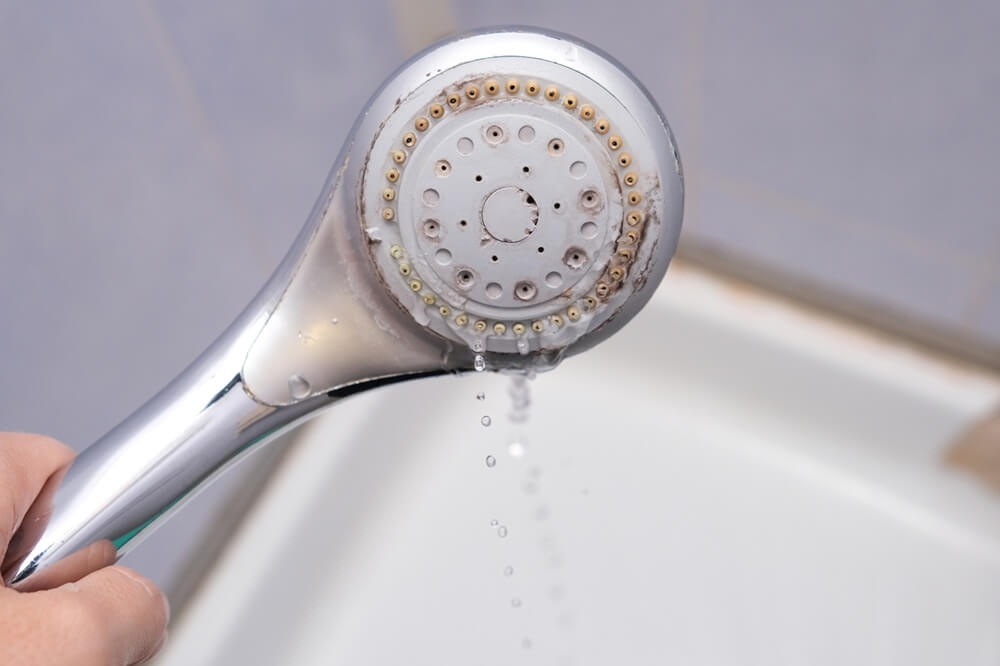
Faucets, Showerheads, and Dishwashers
Inside your home, the signs of hard water damage are everywhere:
- Dishwashers: Heating elements get coated in scale, reducing efficiency and leaving your glassware cloudy and spotted.
- Showerheads: Mineral deposits clog the fine rubber nozzles, sending water spraying in every direction and dropping your water pressure.
- Washing Machines: Calcium buildup degrades rubber hoses and internal pumps, leading to premature leaks.
Water Softener vs. Water Conditioner: What’s the Difference?
When looking for a whole-home solution, homeowners are usually presented with two main options. Understanding the water conditioner vs softener debate is key to choosing the right system for your home.
- Water Softeners: These are the traditional, gold-standard solution for hard water. They use a process called “ion exchange.” Inside the resin tank, the calcium and magnesium ions are physically trapped and swapped with sodium or potassium ions.
- The Result: The water is completely stripped of hardness minerals. Your water will feel “slick,” soap will lather beautifully, and scale buildup is 100% eliminated. They require adding bags of salt to a brine tank periodically.
- Water Conditioners (Descalers): These systems do not remove the minerals from the water. Instead, they use a process like Template Assisted Crystallization (TAC) to alter the physical structure of the calcium crystals so they cannot stick to surfaces.
- The Result: You won’t get scale buildup in your pipes or water heater, making them great for appliance protection. However, because the minerals are still in the water, it won’t fix water spotting on dishes, and it won’t improve issues with dry skin or hair. They do not require salt or electricity.
Installation Requirements for GTA Homes
If you decide to install a treatment system in your Brampton or Mississauga home, there are a few logistical requirements to consider before the plumber arrives:
- Proximity to the Water Main: Your system needs to be installed as close to where the main water line enters your house as possible, usually in the basement near the water meter. This ensures the entire home is treated.
- Access to a Drain: A true water softener needs to regenerate its resin beads, which involves flushing salty wastewater down a drain. You will need a floor drain or a standpipe nearby. (Conditioners do not require this).
- Electrical Outlet: Most modern softeners require a standard 120V electrical outlet to run the digital control valve and scheduled regeneration cycles.
- Bypass Valve: A critical feature for any installation. A bypass valve allows you to divert water around the softener if it ever needs maintenance, or if you want to use unsoftened water to water your lawn and garden (which saves you from wasting softened water and salt).
Contact D.Jason Plumbing Today
Living in Peel Region means accepting that hard water is part of the local geography, but it doesn’t mean you have to live with the damage. Contact D.Jason Plumbing today to discuss hard water solutions.